
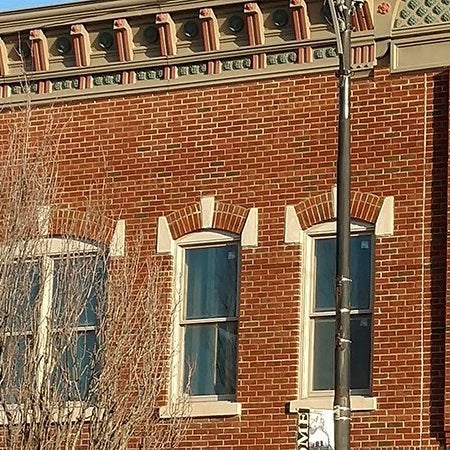
When planning a tuckpointing near me in Oak Park project, understanding your local climate is just as important as choosing the right season. Different regions experience varying weather patterns that can significantly impact the success of your masonry work. In this blog post, we’ll explore how climate factors such as temperature, humidity, and precipitation influence the best time to schedule tuckpointing, ensuring that your project withstands the test of time.
Temperature: The Backbone of Mortar Curing
Temperature plays a pivotal role in the mortar curing process, affecting both its strength and durability:
- Ideal Temperature Range: Mortar cures best in temperatures between 50°F and 90°F (10°C to 32°C). Extreme heat can cause rapid drying, leading to cracks, while cold temperatures can slow down or halt the curing process.
- Regional Variations: In hotter climates, tuckpointing is often scheduled during the cooler months (spring and fall) to avoid the intense midday heat. Conversely, in milder climates, summer may still be a viable option.
Humidity Levels: Balancing Moisture for Optimal Results
Humidity affects how mortar sets and bonds with existing masonry:
- High Humidity: While some moisture is beneficial for mortar curing, excessive humidity can prolong drying times, making it harder to achieve a strong bond. In regions with consistently high humidity, scheduling tuckpointing during periods of lower humidity can enhance results.
- Low Humidity: In arid climates, low humidity can cause mortar to dry too quickly, increasing the risk of cracks. To mitigate this, contractors may use additives or mist the mortar during application to maintain adequate moisture levels.
Precipitation: Ensuring Dry Conditions for Successful Tuckpointing
Rain and snow are major disruptors for tuckpointing projects:
- Rainy Seasons: In areas with distinct wet seasons, it’s crucial to avoid scheduling tuckpointing during these times. Wet conditions can wash away fresh mortar and weaken joints.
- Dry Seasons: Opt for dry periods within your climate’s seasonal cycle to ensure that mortar has ample time to cure without interference from precipitation.
Regional Climate Examples
- Northern Climates: Regions with cold winters and mild summers, such as the northern United States or Canada, benefit from scheduling tuckpointing in late spring or early fall to avoid the extremes of winter and summer.
- Southern Climates: In warmer regions like the southern United States, early spring or late fall are ideal to escape the intense summer heat while still enjoying favorable temperatures.
- Mediterranean Climates: Areas with mild, wet winters and dry summers, such as California, can effectively schedule tuckpointing in late spring or early fall to leverage the moderate weather and lower humidity.
Microclimates: Accounting for Local Variations
Even within a specific region, microclimates can affect tuckpointing schedules:
- Urban vs. Rural: Urban areas may experience the urban heat island effect, leading to higher temperatures and different humidity levels compared to nearby rural areas.
- Proximity to Water Bodies: Areas near lakes, rivers, or the coast may have higher humidity and more precipitation, necessitating adjustments in scheduling.
Practical Tips for Scheduling Based on Climate
- Consult Local Experts: Local masonry contractors have firsthand knowledge of how climate affects tuckpointing in your area. Their insights can guide you in selecting the best time.
- Monitor Weather Forecasts: Keep an eye on long-term weather forecasts to avoid unexpected rain or extreme temperatures during your project.
- Plan Ahead: Schedule tuckpointing well in advance, allowing flexibility to accommodate any unforeseen weather changes.
- Use Protective Measures: In regions with unpredictable weather, consider using protective coverings or additives to safeguard the mortar during application.
Climate is a critical factor in determining the optimal time for tuckpointing. By considering temperature, humidity, and precipitation specific to your region, you can ensure that your masonry work is both effective and long-lasting. Proper planning and an understanding of local weather patterns will help you achieve the best possible results for your tuckpointing project. Stay tuned for our next blog post, where we’ll offer practical scheduling tips and strategies to maximize the efficiency and success of your tuckpointing efforts.